Pancreatic Cancer Treatment in Meerut: Advanced Care, Early Diagnosis & Hope at Valentis Cancer Hospital
Pancreatic cancer is one of the most challenging cancers to
diagnose and treat because its symptoms often appear only after the disease has
progressed. However, advances in medical technology, precision oncology, and
multidisciplinary cancer care have significantly improved treatment outcomes
for many patients. If you are searching for pancreatic
cancer treatment in Meerut, choosing a specialized cancer center with
experienced oncologists and advanced treatment facilities can make a
significant difference.
Valentis Cancer Hospital is among the leading dedicated
cancer hospitals in Western Uttar Pradesh, providing comprehensive pancreatic
cancer treatment with advanced diagnostic techniques, personalized treatment
plans, modern radiation therapy, medical oncology, surgical oncology, and
innovative technologies such as CyberKnife S7 Robotic Radiation Therapy for
selected patients.
What is Pancreatic Cancer?
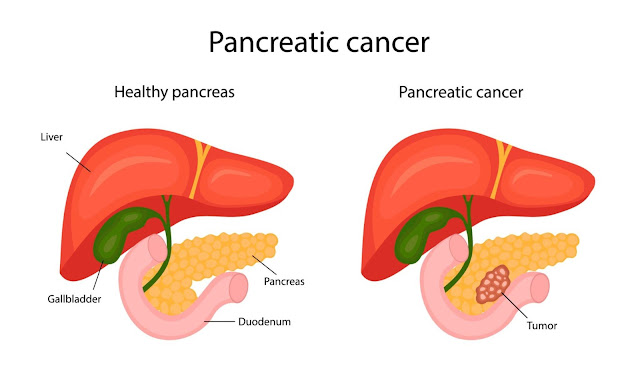
The pancreas is an important organ located behind the
stomach. It produces digestive enzymes and hormones such as insulin that
regulate blood sugar levels. Pancreatic cancer develops when abnormal cells in
the pancreas begin growing uncontrollably and form a tumor.
The most common type is Pancreatic Ductal Adenocarcinoma
(PDAC), accounting for nearly 90% of pancreatic cancer cases. Because
pancreatic tumors often grow silently, many patients are diagnosed at an
advanced stage.
Fortunately, improvements in imaging, targeted therapies,
chemotherapy, radiation therapy, and minimally invasive treatment options are
providing better outcomes than ever before.
Common Symptoms of Pancreatic Cancer
Early pancreatic cancer may not produce noticeable symptoms.
As the disease progresses, patients may experience:
- Persistent
upper abdominal pain
- Back
pain
- Unexplained
weight loss
- Loss
of appetite
- Yellowing
of skin and eyes (Jaundice)
- Dark-colored
urine
- Pale
stools
- Fatigue
and weakness
- Nausea
or vomiting
- Newly
diagnosed diabetes without a clear cause
Anyone experiencing these symptoms should consult a cancer
specialist promptly for proper evaluation.
Risk Factors
Several factors increase the likelihood of developing
pancreatic cancer:
- Smoking
- Family
history of pancreatic cancer
- Chronic
pancreatitis
- Obesity
- Diabetes
- Increasing
age
- Heavy
alcohol consumption
- Genetic
mutations
- Poor
dietary habits
While not every individual with these risk factors develops
cancer, maintaining a healthy lifestyle and undergoing timely screening when
recommended can help reduce risk.
Diagnosis of Pancreatic Cancer
Accurate diagnosis is essential for determining the most
effective treatment plan. At specialized cancer centers like Valentis Cancer
Hospital, diagnosis may involve:
- Physical
examination
- Blood
investigations
- CT
Scan
- MRI
- PET-CT
Scan
- Endoscopic
Ultrasound (EUS)
- Biopsy
- Tumor
marker tests (CA 19-9 when appropriate)
Advanced imaging helps determine the size, location, and
spread of the tumor, enabling doctors to recommend personalized treatment.
Treatment Options for Pancreatic Cancer
Treatment depends on multiple factors including:
- Stage
of cancer
- Tumor
location
- Patient's
age
- Overall
health
- Whether
the tumor is operable
1. Surgery
For patients diagnosed at an early stage, surgery offers the
best chance of long-term survival.
Common surgical procedures include:
- Whipple
Procedure (Pancreaticoduodenectomy)
- Distal
Pancreatectomy
- Total
Pancreatectomy
Surgery is often combined with chemotherapy or radiation
therapy to improve outcomes.
2. Chemotherapy
Chemotherapy uses powerful medicines to destroy cancer cells
throughout the body. It may be used:
- Before
surgery (Neoadjuvant)
- After
surgery (Adjuvant)
- For
advanced pancreatic cancer
- To
reduce symptoms
Modern chemotherapy regimens are carefully selected based on
the patient's health and disease stage.
3. Radiation Therapy
High-energy radiation targets cancer cells while protecting
nearby healthy tissues.
Radiation therapy is useful for:
- Locally
advanced pancreatic cancer
- Pain
relief
- Tumor
shrinkage before surgery
- Preventing
recurrence
4. CyberKnife S7 Robotic Radiation Therapy
One of the most advanced treatment technologies available at
Valentis Cancer Hospital is the CyberKnife S7 Robotic Radiation Therapy
System.
For selected pancreatic cancer patients, especially those
with inoperable or difficult-to-access tumors, CyberKnife offers several
benefits:
- Highly
precise radiation delivery
- Non-invasive
treatment
- Minimal
damage to healthy tissue
- Comfortable
outpatient procedures
- Reduced
side effects
- Faster
recovery
- Accurate
treatment even when tumors move during breathing
This advanced robotic technology has expanded treatment
possibilities for patients who may not be suitable candidates for conventional
surgery.
5. Targeted Therapy
Targeted therapy attacks specific genetic mutations within
cancer cells while minimizing damage to normal tissues.
Patients may undergo molecular testing to determine whether
targeted therapy is appropriate.
6. Immunotherapy
Some pancreatic cancer patients may benefit from
immunotherapy, which strengthens the body's immune system to recognize and
attack cancer cells.
Treatment decisions are based on individual cancer
characteristics and molecular testing results.
Importance of Personalized Treatment
Every pancreatic cancer case is unique. Successful treatment
requires collaboration between:
- Surgical
oncologists
- Medical
oncologists
- Radiation
oncologists
- Radiologists
- Pathologists
- Nutrition
experts
- Pain
management specialists
This multidisciplinary approach ensures each patient
receives the most suitable treatment plan.
Why Choose Valentis Cancer Hospital for Pancreatic Cancer
Treatment in Meerut?
Valentis Cancer Hospital has established itself as one of
the leading dedicated cancer centers in the region by combining experienced
specialists with modern technology and patient-centered care.
Key advantages include:
- Dedicated
cancer hospital
- Advanced
Cancer Diagnostics
- CyberKnife
S7 Robotic Radiation Therapy
- Medical
Oncology
- Surgical
Oncology
- Radiation
Oncology
- PET-CT
imaging
- Personalized
treatment planning
- Multidisciplinary
tumor board discussions
- Compassionate
patient care
- Modern
infrastructure
- Comprehensive
cancer support services
The hospital also offers advanced technologies including
next-generation diagnostics, precision radiation techniques, and individualized
treatment planning to improve patient outcomes.
Recovery and Supportive Care
Treatment is only one part of the journey. Recovery
involves:
- Nutritional
counseling
- Pain
management
- Psychological
support
- Physical
rehabilitation
- Regular
follow-up visits
- Monitoring
for recurrence
Comprehensive supportive care helps patients maintain a
better quality of life during and after treatment.
Tips to Reduce Pancreatic Cancer Risk
Although pancreatic cancer cannot always be prevented,
healthy lifestyle choices may lower the risk:
- Avoid
tobacco products
- Maintain
a healthy body weight
- Exercise
regularly
- Eat
a balanced diet rich in fruits and vegetables
- Limit
alcohol intake
- Control
diabetes
- Seek
medical advice for persistent digestive symptoms
- Attend
regular health check-ups if at high risk
Pancreatic cancer is a serious disease, but early diagnosis
and access to advanced cancer care can significantly improve treatment
outcomes. Whether treatment involves surgery, chemotherapy, targeted therapy,
radiation therapy, or advanced technologies like CyberKnife S7, choosing an
experienced multidisciplinary cancer center is essential.
If you are looking for pancreatic cancer treatment in
Meerut, Valentis Cancer Hospital offers comprehensive cancer care with
experienced oncologists, cutting-edge technology, personalized treatment plans,
and compassionate support throughout every stage of the patient's journey. With
advanced diagnostics, precision therapies, and modern radiation systems, the
hospital is committed to delivering world-class cancer treatment closer to
home.


Comments
Post a Comment