CyberKnife S7 Treatment in India: Advanced Robotic Cancer Treatment at Valentis Cancer Hospital
Cancer treatment has advanced significantly with the
introduction of modern medical technologies that focus on precision, patient
comfort, and effective tumour management. One such advancement is CyberKnife
S7 Robotic Radiation Therapy, an innovative non-invasive treatment system
designed to deliver highly focused radiation to cancerous and selected
non-cancerous tumours.
For patients looking for advanced CyberKnife S7
treatment in India, this technology offers a modern alternative to
surgery in selected medical conditions. Using robotic technology, real-time
image guidance, and tumour motion tracking, CyberKnife S7 helps doctors target
tumours accurately while minimising radiation exposure to surrounding healthy
tissues.
Valentis Cancer Hospital provides advanced CyberKnife
S7 robotic radiation therapy, helping patients explore personalised cancer
treatment options with modern technology and specialist medical guidance.
What Is CyberKnife S7 Treatment?
CyberKnife S7 is an advanced robotic radiosurgery and
stereotactic radiation therapy system used to treat selected tumours throughout
the body. Despite its name, CyberKnife does not involve an actual knife,
surgical cuts, or conventional open surgery.
The system uses a compact linear accelerator mounted on a
robotic arm to deliver high-dose radiation beams from multiple directions. Its
advanced imaging and motion-tracking technology helps doctors accurately target
tumours, including those that move due to breathing or other body movements.
Unlike conventional radiation therapy, which may require
multiple sessions over several weeks, CyberKnife S7 treatment can often be
completed in approximately one to five sessions, depending on the tumour type,
location, and individual treatment plan.
How Does CyberKnife S7 Robotic Radiation Therapy Work?
CyberKnife S7 combines advanced imaging, robotic movement,
and precise radiation delivery to target tumours.
The treatment generally involves the following steps:
1. Detailed Medical Evaluation
Before treatment, specialists review the patient's medical
history, biopsy reports, MRI, CT scans, and PET-CT findings. This helps
determine whether CyberKnife treatment is suitable.
2. Advanced Imaging and Treatment Planning
Detailed imaging is used to identify the exact tumour
location, size, and surrounding organs. Radiation oncologists and medical
physicists develop a personalised treatment plan to deliver the required
radiation dose while protecting nearby healthy tissues.
3. Precise Radiation Delivery
The robotic arm delivers focused radiation beams from
different angles. The system's image-guidance technology helps track tumour
movement and adjust radiation delivery during treatment.
4. Follow-Up and Monitoring
After completing treatment, patients receive follow-up
consultations and imaging assessments to evaluate the response and monitor
their health.
Key Benefits of CyberKnife S7 Treatment
CyberKnife S7 offers several advantages for appropriately
selected patients.
- Non-Invasive
Treatment: No surgical incision is required for radiation delivery.
- High
Precision: Focused radiation targets the tumour while helping protect
nearby healthy tissues.
- Real-Time
Tumour Tracking: Advanced technology accounts for movement caused by
breathing and other body movements.
- Fewer
Treatment Sessions: Many treatment plans require only one to five
sessions.
- Outpatient
Procedure: Most patients do not require an overnight hospital stay for
treatment.
- Minimal
Recovery Downtime: Patients generally avoid the recovery period
associated with major surgery.
- Personalised
Treatment Planning: Radiation delivery is customised according to
tumour location, size, and individual medical requirements.
The benefits and possible side effects vary depending on the
patient's condition and treatment area.
Which Cancers Can Be Treated with CyberKnife S7?
CyberKnife S7 can be used for selected cancerous and
non-cancerous tumours in different parts of the body. Treatment suitability
depends on the tumour's size, location, stage, and relationship with nearby
organs.
Some conditions that may be considered include:
1. Brain Tumours: CyberKnife can deliver highly
focused radiation to selected primary brain tumours and brain metastases while
helping protect surrounding healthy brain tissue.
2. Lung Cancer: It may be recommended for selected
early-stage lung cancers, particularly for patients who cannot undergo surgery.
It can also be used for certain lung metastases.
3. Spinal Tumours: Precise radiation delivery helps
target tumours in or around the spine while limiting exposure to the spinal
cord and nearby nerves.
4. Prostate Cancer: CyberKnife may be considered as a
stereotactic radiation treatment option for selected prostate cancer patients.
5. Liver Tumours: Selected primary liver cancers and
liver metastases may be treated using focused radiation therapy.
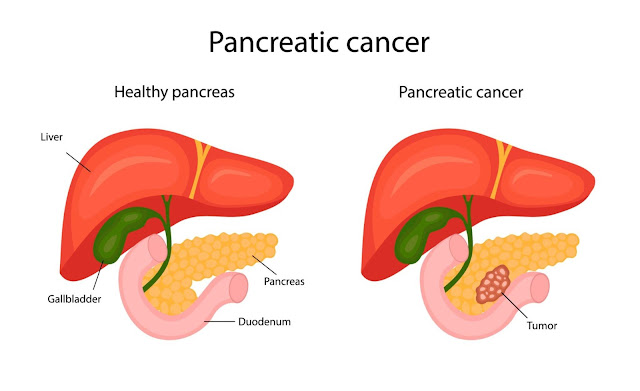
6. Pancreatic Cancer: Stereotactic radiation may be
considered in selected cases as part of a multidisciplinary treatment plan.
7. Kidney Tumours: Selected kidney tumours may be
evaluated for stereotactic radiation depending on their size, location, and
clinical circumstances.
CyberKnife is not suitable for every cancer patient. A
detailed assessment by an experienced oncology team is essential before
choosing this treatment.
CyberKnife S7 vs Traditional Radiation Therapy
Traditional radiation therapy generally delivers radiation
over multiple sessions, often spread across several weeks. CyberKnife S7 uses
robotic precision and advanced image guidance to deliver highly focused
radiation in fewer sessions for suitable conditions.
Some important differences include:
- Treatment
Duration: CyberKnife treatment may require one to five sessions,
depending on the treatment plan.
- Radiation
Precision: Robotic technology helps deliver radiation from multiple
angles.
- Tumour
Tracking: Real-time imaging helps account for tumour movement.
- Patient
Convenience: Fewer sessions may reduce repeated hospital visits.
- Treatment
Approach: CyberKnife is non-invasive and does not require conventional
surgical incisions.
Both approaches have important roles in cancer care. The
appropriate treatment depends on the diagnosis and medical recommendations.
Is CyberKnife S7 Treatment Safe?
CyberKnife S7 is an established stereotactic radiation
technology designed to deliver radiation with high precision. Its advanced
imaging and motion-tracking capabilities help minimise unnecessary radiation
exposure to surrounding healthy tissues.
However, like other radiation treatments, CyberKnife may
cause side effects. Depending on the treated area, patients may experience
fatigue, local discomfort, inflammation, or other site-specific effects.
The radiation oncology team evaluates the possible benefits
and risks before recommending treatment. Patients should discuss their medical
history, existing conditions, and alternative treatment options during
consultation.
Why Choose Valentis Cancer Hospital for CyberKnife S7
Treatment in India?
Choosing the right cancer hospital is an important step in
the treatment journey. Patients need access to advanced technology, experienced
specialists, accurate diagnosis, and personalised medical guidance.
Valentis Cancer Hospital offers CyberKnife S7 robotic
radiation therapy as part of its advanced cancer care services.
Key aspects of its cancer care approach include:
- Advanced
CyberKnife S7 robotic radiation therapy.
- Personalised
treatment planning based on individual medical needs.
- Multidisciplinary
collaboration between cancer specialists.
- Advanced
diagnostic facilities, including PET-CT imaging.
- Patient-focused
care and treatment guidance.
- Comprehensive
cancer management and follow-up support.
Located on Mawana Road, Meerut, Uttar Pradesh, Valentis
Cancer Hospital welcomes patients seeking information about advanced cancer
treatment options.
To explore CyberKnife S7 treatment and understand whether it
is suitable for your condition, visit Valentis Cancer
Hospital's CyberKnife Centre.
Frequently Asked Questions About CyberKnife S7 Treatment
1. Is CyberKnife S7 a surgical procedure?
No. CyberKnife S7 is a non-invasive robotic radiation
therapy system. It delivers focused radiation without conventional surgical
cuts.
2. How many sessions are required for CyberKnife
treatment?
Most treatment plans involve approximately one to five
sessions. The exact number depends on the tumour type, location, and treatment
requirements.
3. Is CyberKnife S7 treatment painful?
Radiation delivery is generally painless. Patients do not
usually require general anaesthesia, although individual preparation
requirements may vary.
4. Which cancers can be treated with CyberKnife S7?
Selected brain, lung, spinal, prostate, liver, pancreatic,
and kidney tumours may be considered for CyberKnife treatment.
5. Where can I get CyberKnife S7 treatment in India?
Patients can explore advanced robotic radiation therapy at
Valentis Cancer Hospital, Meerut, Uttar Pradesh, after consultation with the
oncology team.
CyberKnife S7 represents an important advancement in modern
cancer treatment, combining robotic precision, real-time imaging, and focused
radiation delivery. For selected patients, it offers a non-invasive treatment
option that may reduce the need for conventional surgery and lengthy radiation
schedules.
However, every cancer diagnosis is different, and treatment
decisions should always be based on individual medical evaluation.
If you are exploring CyberKnife S7 treatment in India,
consult the specialists at Valentis Cancer Hospital to understand your
treatment options and receive personalised guidance.
Valentis Cancer Hospital – Advanced Technology.
Personalised Cancer Care.


Comments
Post a Comment